Introduction
IPSC (Worldwide Practical Shooting Confederation) competitors has actually had a substantial influence on target innovation. With its concentrate on speed, precision, and practical shooting skills, IPSC has actually pushed manufacturers to establish new and better targets to fulfill the needs of this competitive sport. In this article, we will check out the ways in which IPSC competitors has actually driven target development and how it has actually shaped the landscape of shooting sports.
The Evolution of IPSC Targets
The Required for Precision: IPSC Targets that Set the Standard
When IPSC was first established, there was a need for targets that might accurately represent the human body. Conventional paper targets were not sufficient in providing practical scenarios for shooters. As an outcome, IPSC targets were established to imitate the size and shape of various body parts.
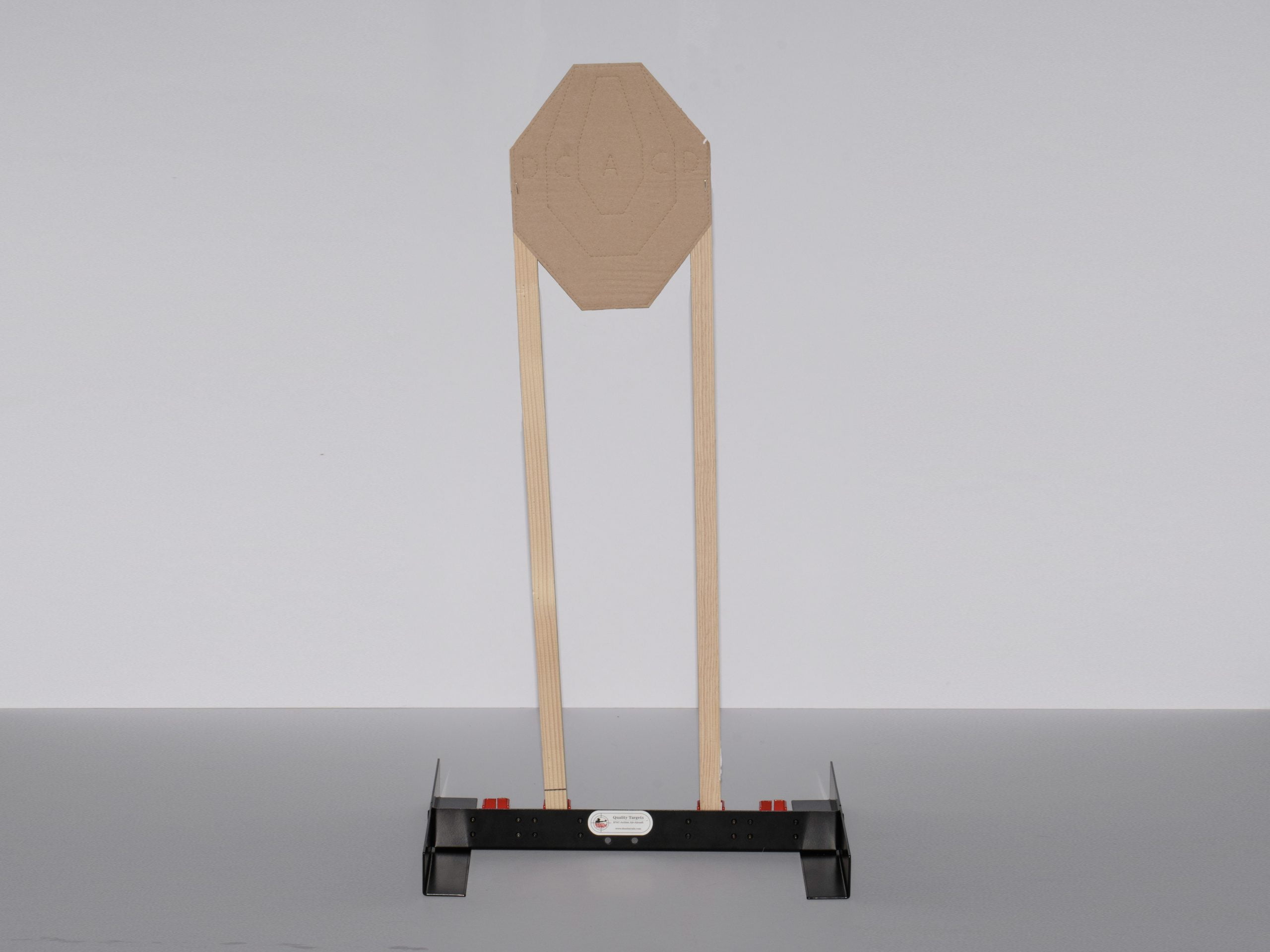
The Impact of IPSC Competitors on Target Development can be seen in the development of cardboard and steel targets that are utilized in IPSC matches. These targets are designed to offer immediate feedback to shooters by producing a clear audible or visual signal when struck. This encourages precision and helps competitors to enhance their shooting skills.
Advancements in Material: Resilience and Reusability
As IPSC got popularity, there was a demand for more long lasting and multiple-use targets. Paper targets would frequently tear or end up being unusable after only a few rounds of shooting. This led producers to check out alternative materials such as cardboard, steel, and polymer.
Cardboard targets became popular due to their price and ease of usage. They used better toughness compared to paper targets but lacked durability. Steel targets became an option for resilience but had restrictions in terms of portability. Polymer targets ultimately went into the market, integrating durability with portability.
Reactive Targets: Enhancing Shooter Experience
To include a component of enjoyment and obstacle to IPSC competitions, reactive targets were introduced. These targets are developed to react to bullet effects, supplying immediate visual or acoustic feedback. Reactive targets improve the shooter experience by mimicing sensible circumstances where fast decision-making is crucial.
The Influence of IPSC Competition on Target Development can be seen in the advancement of reactive targets that are capable of mimicking various real-life scenarios. Targets that fall, spin, or swing when hit obstacle shooters to react rapidly and make accurate shots.
IPSC Action Air: A New Measurement to Target Innovation
The Rise of IPSC Action Air
IPSC Action Air is a variant of IPSC that utilizes airsoft guns instead of live ammo. This discipline permits shooters to practice their skills in a safe and regulated environment. IPSC Action Air has acquired appeal recently and has actually produced new chances for target innovation.
IPSC Action Air Targets: Replicating Realistic Scenarios
The Influence of IPSC Competitors on Target Innovation can be seen in the development of specialized targets for IPSC Action Air. These targets are developed to duplicate real-life scenarios where shooters need to engage numerous targets quickly and accurately. By using airsoft weapons, shooters can practice their shooting abilities without the requirement for a standard shooting range.
IPSC Action Air targets are often made from long lasting materials such as polymer or steel, making sure durability and reusability. They are also created to offer instantaneous feedback, allowing shooters to track their progress and improve their performance.
IPSC Gear and Equipment: Enhancing Performance
Holsters: Quick and Secure Access
Holsters play an essential role in IPSC competitions as shooters require to draw their guns quickly and securely. The Impact of IPSC Competition on Target Innovation can be seen in the advancement of holsters that provide both speed and security.
Modern holsters include adjustable retention systems, enabling shooters to tailor the level of retention based on their preferences. They likewise integrate quick-release systems for faster draws. Makers constantly aim to enhance holster designs to fulfill the demands of IPSC competitors.
Magazines: Capability and Reliability
IPSC competitions often require shooters to engage several targets in rapid succession. This requires using high-capacity publications that can hold a large number of rounds. The Influence of IPSC Competition on Target Development can be seen in the advancement of magazines that provide both capacity and reliability.
Manufacturers have actually introduced extended magazines with increased round capacity, enabling shooters to engage more targets without having to refill as regularly. These publications are likewise designed to feed ammunition efficiently, reducing the chances of breakdowns throughout extreme shooting stages.
IPSC Premium Targets: Taking Shooting Experience to the Next Level
The Need for Premium Targets
As IPSC competitors continue to grow in appeal, there is an increasing demand for premium targets that provide superior toughness, performance, and looks. Premium targets are developed to hold up against countless rounds without substantial wear and tear, making sure a long-lasting investment for shooters.
The Impact of IPSC Competitors on Target Innovation can be seen in the development of premium targets that integrate sophisticated materials and building and construction methods. These targets frequently feature self-sealing homes, allowing them to take in customized ipsc cardboard targets bullet effects while preserving their shape and functionality.
Moving Targets: Adding Intricacy to Shooting Stages
To further difficulty shooters and replicate real-life situations, moving targets have actually ended up being progressively popular in IPSC competitors. The Impact of IPSC Competitors on Target Development can be seen in the development of motorized targets that move horizontally or vertically throughout shooting stages.
Moving targets need shooters to track their motion and make precise shots while under time pressure. These targets include complexity and enjoyment to IPSC matches, pushing rivals to improve their shooting skills and response times.
The Influence of IPSC Competition on Range Equipment
Props and Challenges: Replicating Real-Life Environments
IPSC competitors often feature props and obstacles that replicate real-life environments where self-defense scenarios might happen. These props include walls, barriers, and entrances, which shooters need to navigate while engaging targets.
The Influence of IPSC Competition on Target Innovation can be seen in the development of range devices that enhances shooter experience and replicates sensible circumstances. Manufacturers have actually introduced modular props that can be easily set up and adjusted to develop different shooting stages. These props are designed to be portable and long lasting, enabling them to endure regular assembly and disassembly.
FAQs
Q: How has IPSC competition affected target innovation?
A: IPSC competition has actually driven target development by pushing manufacturers to establish reasonable targets that provide immediate feedback. It has actually likewise resulted in developments in products, such as cardboard, steel, and polymer, for improved resilience and reusability.
Q: What are reactive targets?
A: Reactive targets are targets that react to bullet impacts, supplying immediate visual or acoustic feedback. These targets enhance the shooter experience by mimicing practical situations where fast decision-making is crucial.
Q: What is IPSC Action Air?
A: IPSC Action Air is a variant of IPSC that utilizes airsoft weapons instead of live ammo. It enables shooters to practice their skills in a safe and regulated environment.
Q: How have holsters developed in IPSC competitions?
A: Holsters have progressed to supply both speed and security in IPSC competitors. They feature adjustable retention systems and quick-release systems for faster draws.
Q: What are exceptional targets?
A: Premium targets are targets that provide superior sturdiness, performance, and visual appeals. They are developed to stand up to countless rounds without significant wear and tear.
Q: How have moving targets affected IPSC competitions?
A: Moving targets have added complexity and enjoyment to IPSC matches. Motorized targets that move horizontally or vertically need shooters to track their motion and make precise shots while under time pressure.
Conclusion
The Influence of IPSC Competitors on Target Development can not be downplayed. Through its focus on speed, accuracy, and useful shooting skills, IPSC has actually driven makers to develop new and better targets that provide immediate feedback and simulate practical scenarios. From the advancement of IPSC targets to the introduction of IPSC Action Air and exceptional targets, this competitive sport has actually shaped the landscape of shooting sports and continues to press the boundaries of target development. With developments in equipment, equipment, and variety props, IPSC competitors provide shooters a difficult and immersive experience that boosts their skills and prepares them for real-life self-defense situations.